Our professional mould removal and remediation services help New Zealand homes and properties deal with mould, dampness, and moisture-related issues. We identify affected areas, safely remove mold where appropriate, and treat surfaces to help prevent further growth. Whether you’re dealing with visible mould, musty odors, or ongoing moisture concerns, our team provides a thorough and practical solution to help restore a cleaner, healthier property.
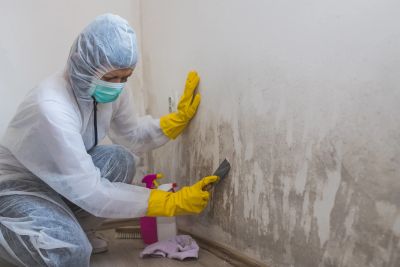
Mould is a type of fungus that thrives in moist, damp, and humid environments. While mold plays an important role in nature by breaking down organic materials, its presence indoors can become a problem.
Mould spreads through tiny airborne spores, which can settle on surfaces and begin growing when moisture and suitable conditions are present. It can develop on a variety of materials, including walls, ceilings, carpets, timber, fabrics, and other porous surfaces.
Indoor mould can cause musty odors, contribute to damage to building materials, and affect the quality of the indoor environment. Addressing mold promptly and identifying the source of excess moisture can help prevent it from spreading and returning.
Maintaining good ventilation, controlling indoor humidity, fixing leaks, and keeping areas dry are important steps in preventing mold growth and maintaining a healthier indoor environment.
Mould can look different depending on the type of mould, the surface it is growing on, and the surrounding conditions. It may appear in a range of colours, including black, green, white, grey, brown, orange, or yellow.
Its appearance can range from fuzzy and powdery to slimy or velvety. Mould may form as small spots, patches, streaks, or larger areas across walls, ceilings, timber, carpets, fabrics, and other surfaces.
A musty or earthy smell may also indicate the presence of mould, even when visible growth is difficult to find.
It is important to remember that mould cannot always be identified accurately based on appearance or colour alone. Different mould species can look very similar, so professional assessment or testing may be necessary for accurate identification. Regardless of the type, finding and addressing the underlying moisture source is key to controlling mould growth and preventing it from coming back.
Effective mold remediation involves more than simply cleaning visible mold. The process focuses on identifying the source of moisture, safely removing mould contamination, and taking preventative measures to reduce the risk of it returning.
The first step is a thorough inspection of the affected area. This helps identify visible mould growth, moisture sources, areas of concern, and the extent of contamination. Where necessary, moisture measurements or further assessment may be carried out to better understand the problem.
Mould needs moisture to grow. Before or during remediation, the underlying cause of moisture should be identified and addressed. This may include repairing leaks, improving ventilation, managing condensation, or resolving water damage.
Where appropriate, affected areas are contained to help minimise the spread of mould spores to unaffected parts of the property. The level of containment required depends on the size and location of the mould contamination.
Mould-affected surfaces are carefully cleaned or treated using appropriate methods and equipment. Materials that cannot be effectively cleaned or restored may need to be removed and disposed of safely.
Moisture levels are reduced and affected areas are thoroughly dried. Dehumidification and improved airflow may be used to create conditions that are less favourable for mould growth.
We conduct air quality tests after remediation to ensure indoor environment is safe and mould free.
We also recommend preventive measures to minimize the risk of future mold infestations as our goal is to create a mold-resistant environment.
Please reach us if you cannot find an answer to your question.
Mold remediation is the process of identifying the source of mold, containing the affected area, safely removing mold and contaminated materials, and cleaning and treating the area to help prevent regrowth.
Mold generally grows where there is excess moisture. Common causes include leaks, flooding, condensation, poor ventilation, damp walls, roof leaks, plumbing issues, and high indoor humidity.
The timeframe depends on the size and severity of the affected area, the materials involved, the moisture source, and the extent of contamination. Some jobs can be completed within a day, while larger projects may take several days or longer.
Keep areas dry and well ventilated, repair leaks promptly, control condensation and indoor humidity, use appropriate extraction fans, and address water damage as soon as possible.
Yes. Persistent moisture and mold can contribute to deterioration of building materials, staining, unpleasant odors, and damage to porous materials. Early investigation can help limit the extent of damage.
Copyright © 2026 Restoration Hub - All Rights Reserved.
Powered by GoDaddy
We use cookies to analyze website traffic and optimize your website experience. By accepting our use of cookies, your data will be aggregated with all other user data.